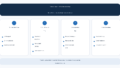
Do not try to solve Japan all at once. The useful order is internet → address and documents → phone → money → housing and daily setup.
This article is written for travelers, students, workers and new residents preparing for Japan. It does not pretend to be personal experience, legal advice, immigration advice, financial advice or professional guidance.
First day
Internet, address, money and route come first.
First week
Handle documents, bank and insurance step by step.
Do not rush
Do not sign or buy long-term services while confused.
Check official/provider pages first.
Airport, phone, housing and setup focused.
If you are planning to move to Japan, the hardest part is not only booking a flight or packing your suitcase. The real challenge is knowing what to prepare before you arrive, what to do during your first few days, and how to avoid small mistakes that can become stressful later.
Japan is one of the most organized countries in the world, but that also means many daily-life systems have their own rules. Residence procedures, SIM cards, transportation cards, banking, health insurance, housing, garbage rules, and city office paperwork can feel confusing at first.
This guide explains the practical steps foreigners should know before moving to Japan. It is written for students, workers, digital nomads, spouses, and long-term visitors who want a smoother start in Japan.
Quick answer: Before moving to Japan, prepare your visa documents, passport, arrival address, money for your first month, mobile internet plan, copies of important papers, and basic knowledge of city office procedures. After arriving, prioritize residence registration, health insurance, pension procedures if required, phone/internet, transportation IC card, and housing setup.
- Before Moving to Japan: Documents You Should Prepare
- Money Preparation: How Much Should You Bring?
- Mobile Internet: Get Connected Immediately
- Transportation: IC Cards Make Life Easier
- After Arrival: Residence Card and City Office Procedures
- Health Insurance in Japan
- Pension System: Foreign Residents Should Understand the Basics
- Housing in Japan: What Foreigners Should Know
- Bank Account: Why It Can Be Difficult at First
- Garbage Rules: Small Mistake, Big Stress
- What to Buy During Your First Week
- Common Mistakes Foreigners Make When Moving to Japan
- Best Order for Your First 30 Days in Japan
- FAQ
- Final Checklist Before You Move to Japan
- Official References
- Related Setup Guides
- Related guides from Move to Japan Hub
- Do not stop at one answer.
Before Moving to Japan: Documents You Should Prepare
The first thing to check is your visa status. Some travelers can enter Japan for short-term stays without a visa, but moving to Japan for work, study, family, or long-term residence usually requires the correct status of residence.
Japan’s Ministry of Foreign Affairs explains visa categories and requirements through official embassy and consulate information. Short-term visa exemption rules also differ by nationality, so you should always check the latest official information before departure.
- Valid passport
- Visa or Certificate of Eligibility if required
- School or company documents
- Address in Japan, even if temporary
- Travel insurance or medical documents
- Printed and digital copies of important documents
- Emergency contact information
A common mistake is keeping everything only on your phone. If your phone battery dies, your mobile data does not work, or immigration staff ask for printed details, having paper copies can save you time and stress.
Money Preparation: How Much Should You Bring?
Japan is increasingly cashless, but cash is still useful, especially during your first week. Small clinics, local restaurants, older apartments, coin laundries, and some city-related payments may still require cash.
For the first month, prepare more money than you think you need. Even if you already have a job or school support, your first weeks may include transportation, temporary accommodation, food, phone setup, apartment fees, bedding, household goods, and emergency expenses.
Practical estimate: Many newcomers should prepare enough money for at least one to two months of living costs before their first stable income in Japan.
Apartment move-in costs can be high. In Japan, initial housing fees may include deposit, key money, agency fee, first month’s rent, cleaning fee, guarantor company fee, fire insurance, and lock-change fee. Not every apartment requires all of these, but it is safer to expect a larger first payment.
Mobile Internet: Get Connected Immediately
One of the most important things after landing in Japan is internet access. You will need maps, translation, train routes, city office directions, apartment communication, school or company contact, and banking apps.
For short-term visitors, an eSIM or pocket WiFi is often the easiest option. For long-term residents, a Japanese SIM plan may become cheaper after you receive your residence card and address registration.
eSIM
An eSIM is convenient because you can install it before arrival and connect soon after landing. It is useful for tourists, students, and people who want a simple start.
Pocket WiFi
Pocket WiFi is useful if you have multiple devices or travel with family. The downside is that you must charge and carry another device.
Japanese SIM Card
A long-term SIM card may require identity verification and a registered address. Some providers are foreigner-friendly, but rules differ by company.
Best beginner strategy: Use an eSIM or pocket WiFi for the first few weeks, then switch to a long-term Japanese SIM after your address and residence procedures are complete.
Transportation: IC Cards Make Life Easier
Japan’s train and bus systems are excellent, but they can feel overwhelming at first. An IC card such as Suica, PASMO, ICOCA, or visitor-focused cards can make transportation easier.
IC cards are prepaid cards used for trains, buses, convenience stores, vending machines, coin lockers, and many small purchases. The Japan National Tourism Organization explains that IC cards are widely useful for travel and daily purchases in Japan.
For temporary visitors, special visitor cards such as Welcome Suica may be available. JR East states that Welcome Suica can be used for travel and shopping and is valid for 28 days from the date of purchase.
- Use IC cards for trains and buses
- Recharge at stations or convenience stores
- Use them for small purchases
- Check card validity if using a tourist version
If you plan to live in Japan long-term and have an iPhone or compatible smartphone, mobile Suica or mobile PASMO may also be convenient, but setup can depend on your device, app store region, and payment method.
After Arrival: Residence Card and City Office Procedures
If you are entering Japan as a medium- or long-term resident, you may receive a residence card at the airport depending on where you arrive. This card is extremely important. Do not lose it.
After you decide your address in Japan, you generally need to register your address at the local city, ward, town, or village office. This is one of the most important early steps because many other procedures depend on your registered address.
- Register your address at the municipal office
- Enroll in National Health Insurance if applicable
- Handle pension procedures if applicable
- Receive or update My Number related documents
- Ask about garbage separation rules
City office procedures may feel intimidating, but many offices in larger cities have multilingual support, interpretation tablets, or printed guides. Bring your passport, residence card, address information, and any school or company documents.
Health Insurance in Japan
Japan has a public health insurance system. If you live in Japan, you generally need to be enrolled in an appropriate health insurance program, either through an employer or through National Health Insurance at your local municipality.
This matters because medical care without insurance can become expensive. With insurance, patients usually pay only a portion of covered medical costs. Your exact situation depends on your employment, age, status, and local procedures.
Important: Do not ignore health insurance paperwork. Even if you feel healthy, accidents, fever, dental pain, or sudden illness can happen soon after arrival.
Pension System: Foreign Residents Should Understand the Basics
Foreign residents are also connected to Japan’s pension system depending on age, work status, and residence situation. The Japan Pension Service explains that National Pension covers residents of Japan between ages 20 and 59, while Employees’ Pension Insurance applies to many company and public-sector workers.
This topic is confusing for many newcomers because they may not expect pension procedures during a short stay. However, if you are living in Japan, you should confirm whether you need to enroll, whether your employer handles it, and whether any exemption or special procedure applies to your situation.
If you are unsure, ask your employer, school, municipal office, or the Japan Pension Service. Do not rely only on social media posts because pension rules can depend on your personal situation.
Housing in Japan: What Foreigners Should Know
Finding an apartment in Japan can be one of the biggest challenges for foreigners. Some landlords may require a Japanese guarantor, a guarantor company, Japanese phone number, Japanese bank account, or proof of employment or school enrollment.
Foreigner-friendly apartments, share houses, monthly apartments, and serviced apartments can be easier for the first few months. They may cost more monthly, but they can reduce paperwork and move-in stress.
Common housing costs
- Rent
- Deposit
- Key money
- Agency fee
- Guarantor company fee
- Fire insurance
- Cleaning fee
- Utility setup fees
Before signing a contract, ask what happens when you move out, how garbage disposal works, whether internet is included, whether furniture is included, and whether there are penalties for early cancellation.
Bank Account: Why It Can Be Difficult at First
Opening a bank account in Japan can be difficult immediately after arrival. Some banks require a residence card, registered address, Japanese phone number, and sometimes a certain period of residence.
This creates a frustrating loop: you need a bank account for salary or rent, but you may need a phone number and address first. Because of this, many newcomers follow this order:
- Secure temporary accommodation
- Get mobile internet
- Register address
- Get a Japanese phone number
- Open a bank account
If your company or school supports newcomers, ask them which bank is easiest. Local branches near universities or large employers may be more used to helping foreign residents.
Garbage Rules: Small Mistake, Big Stress
Garbage separation in Japan is serious. Rules differ by city and even by neighborhood. Burnable waste, non-burnable waste, plastic packaging, cans, bottles, PET bottles, cardboard, oversized garbage, and hazardous items may all have different collection days.
One of the best things you can do after registering your address is ask the city office for a garbage calendar. Some cities provide English versions, apps, or illustrated guides.
Beginner tip: Do not throw everything into one bag. Learn your local rules early, especially if you live in an apartment with shared garbage space.
What to Buy During Your First Week
Your first week in Japan should be simple. Do not try to solve everything at once. Focus on basic survival and daily comfort.
- Mobile internet or SIM
- IC card for transportation
- Basic food and drinking water
- Bedding or futon
- Towels and toiletries
- Power adapter if needed
- Trash bags approved by your city if required
- Basic medicine you are allowed to bring
Convenience stores are extremely helpful in Japan. You can buy meals, withdraw cash from some ATMs, pay bills, print documents, send packages, and buy daily essentials. Learning how to use convenience stores will make your first month much easier.
Common Mistakes Foreigners Make When Moving to Japan
Many moving problems happen because people underestimate paperwork and overestimate how much can be solved online. Japan is digitalizing, but many procedures still require in-person visits, printed documents, stamps, or physical cards.
- Arriving without printed documents
- Not preparing enough cash
- Choosing housing without checking move-in costs
- Ignoring health insurance or pension notices
- Assuming all staff speak English
- Not learning garbage rules
- Waiting too long to register address
- Depending only on airport WiFi
The best mindset is not panic, but preparation. Japan becomes much easier once your address, phone, insurance, bank, and transportation setup are complete.
Best Order for Your First 30 Days in Japan
Day 1 to 3
- Check into accommodation
- Activate eSIM, SIM, or pocket WiFi
- Get an IC card or mobile transit setup
- Buy basic food, water, and bedding
- Confirm route to city office, school, or workplace
Week 1
- Register your address if required
- Start health insurance procedures
- Ask about pension procedures
- Learn garbage rules
- Set up a Japanese phone number if needed
Week 2 to 4
- Open a bank account if eligible
- Finalize long-term housing
- Set up utilities
- Register bicycle if you buy one
- Find nearby clinic, supermarket, pharmacy, and station
FAQ
Can I move to Japan without speaking Japanese?
Yes, many foreigners move to Japan with limited Japanese, especially in large cities. However, learning basic Japanese will make housing, city office procedures, medical visits, and daily life much easier.
Do I need cash in Japan?
Yes. Japan has many cashless payment options, but cash is still useful for small shops, clinics, local services, and emergency situations.
Is an eSIM enough when moving to Japan?
An eSIM is a good short-term solution for arrival and the first few weeks. For long-term life, many people later switch to a Japanese mobile plan.
Do foreigners need health insurance in Japan?
If you live in Japan, you generally need to be enrolled in the appropriate health insurance system. Your employer, school, or municipal office can explain your case.
Is Japan expensive for newcomers?
The first month can be expensive because of housing fees, setup costs, transportation, phone service, furniture, and daily essentials. After setup, monthly costs become easier to manage.
Final Checklist Before You Move to Japan
- Check your visa or residence status
- Prepare passport and printed documents
- Prepare enough money for the first month
- Book temporary accommodation
- Prepare mobile internet
- Research city office procedures
- Understand health insurance basics
- Learn transportation IC card options
- Check housing costs carefully
- Save emergency contacts
Moving to Japan is exciting, but the first month can feel heavy if you are not prepared. The good news is that most problems are manageable when you follow the right order: internet, address, insurance, phone, bank, housing, and daily-life rules.
If you prepare before arrival and handle the essential procedures early, Japan becomes much easier to enjoy. Start with the basics, keep copies of your documents, ask official offices when unsure, and do not rush big decisions like long-term housing before understanding the full cost.
Official References
- Ministry of Foreign Affairs of Japan: Visa Information
- Ministry of Foreign Affairs of Japan: Visa Exemption for Short-Term Stay
- Japan National Tourism Organization: IC Travel Cards
- JR East: Welcome Suica
- Japan Pension Service: English Information
Related Setup Guides
| Need | Guide |
|---|---|
| Internet before arrival | Best eSIM for Japan (2026): Avoid Roaming Fees & Get Instant Internet |
| Apartment costs | Renting in Tokyo vs Osaka: Cost and Screening Differences for Foreigners |
| First-week money and admin | Opening a Bank Account in Japan: What Foreigners Should Prepare |
Related guides from Move to Japan Hub
- Moving to Japan Checklist for Foreigners: What to Prepare Before You Arrive
- First Week in Japan: Practical Setup Guide for New Arrivals
- Opening a Bank Account in Japan: What Foreigners Should Prepare
- National Health Insurance in Japan: Basic Guide for Foreigners
- Best eSIM for Japan Family Trip: Phones, Tablets and Backup WiFi
- Hidden Apartment Costs in Japan|Why Your First Rent Bill Can Be 4 Times Higher Than Expected